
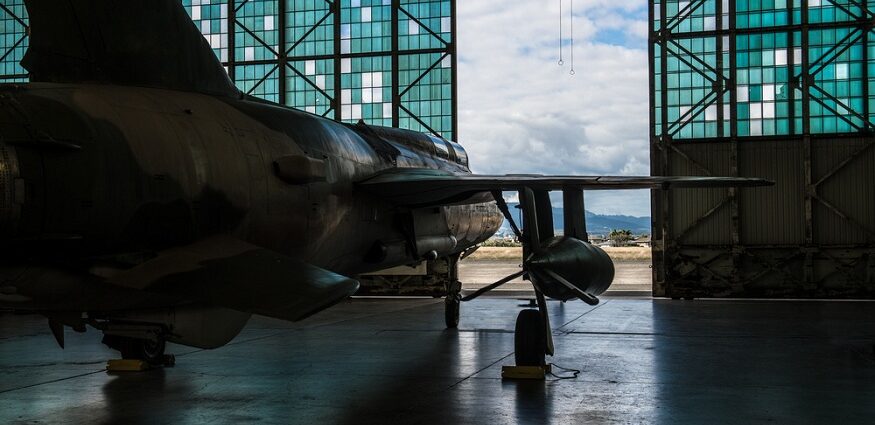
An aircraft might seem perfect in theory. The math checks out. The blueprints practically gleam. Then it drops into a combat zone and the whole story flips. A battlefield could not care less about tidy drawings. It unleashes heat, grit, gunfire, and utter chaos on a machine simultaneously. The transition from concept to reality is the crucial test of a design’s effectiveness.
The Gap Between Theory and Combat
Engineers pour months into planning every piece of an aircraft. They pore over airflow. Engineers weigh one material against another. They run models on machines powerful enough to chew through mountains of data. All that counts for something. Still, no computer fully captures the mess of a live mission. Sand chokes engines. Brutal heat bends parts out of shape. Enemy rounds punch through spots nobody flagged. The battlefield drags every hidden weakness into the open.
Read More: The island stay that completely changed my Lakshadweep experience
Designers end up facing a blunt fact. Something that hums along in a lab might fall to pieces under real strain. That is exactly why the sharpest teams build with the fight in mind from the first sketch, instead of bolting protection on once the plane is basically finished.
When Bullets Enter the Picture
A quiet test flight and a combat run barely resemble each other. Over a war zone, the aircraft turns into a target. Rounds can rip into fuel lines, the crew cabin, or the controls. One hit in the wrong place can kill a mission, or worse. That threat pushes designers to wrestle with protection early. Military aircraft ballistic protection has grown into a serious priority for engineers. Companies like LifePort bring genuine skill to building systems that guard crews and critical parts from incoming fire. Their work gives troops a better chance of making it home when a flight turns ugly.
The Weight Problem
Weight sits dead center in almost every combat design call. Bolt on armor and the aircraft gets safer but heavier. Shave weight off and it flies quicker, while leaving the crew more exposed. Engineers grind on this trade for years across a single program. They dig into which parts genuinely need shielding. The crew tops the list. Fuel and flight controls trail right behind. By guarding the spots that matter most, designers hold the weight down and still protect the things keeping people alive.
Built to Take a Hit
Combat aircraft also have to soak up damage and keep flying. A civilian plane might turn for home at the first hiccup. A military aircraft often has no such luxury. It may need to see the mission through, or ferry wounded troops to safety, even after taking a real pounding. So engineers weave in backups. Two systems where one might do. Spare fuel routes. Controls that keep responding when part of them quits. This layered approach lets a battered aircraft limp home rather than tumble out of the sky.
Read More: Sri Lanka Packing List by Season
Testing for the Real World
A design proves itself only after a savage round of testing. Engineers fire live rounds into panels. They roast parts in heat, then freeze them stiff. They shake, twist, and lean on every component until it gives. Then they study the break and rebuild it tougher. Each pass drives the aircraft nearer to the grit a real fight will demand of it.
Conclusion
Aircraft design straddles two worlds. One runs clean and calm, all models and equations. The other is loud, filthy, and deadly. The best engineers refuse to design for the gentle world alone. They build for the instant when bullets start flying and everything goes wrong. That is the moment solid design stops being a column of numbers and starts saving lives.